From Olympic medals and tours around the world to global partnerships, VfB Stuttgart has demonstrated international presence for over a century. Here are 11 internationally interesting facts on VfB:
I
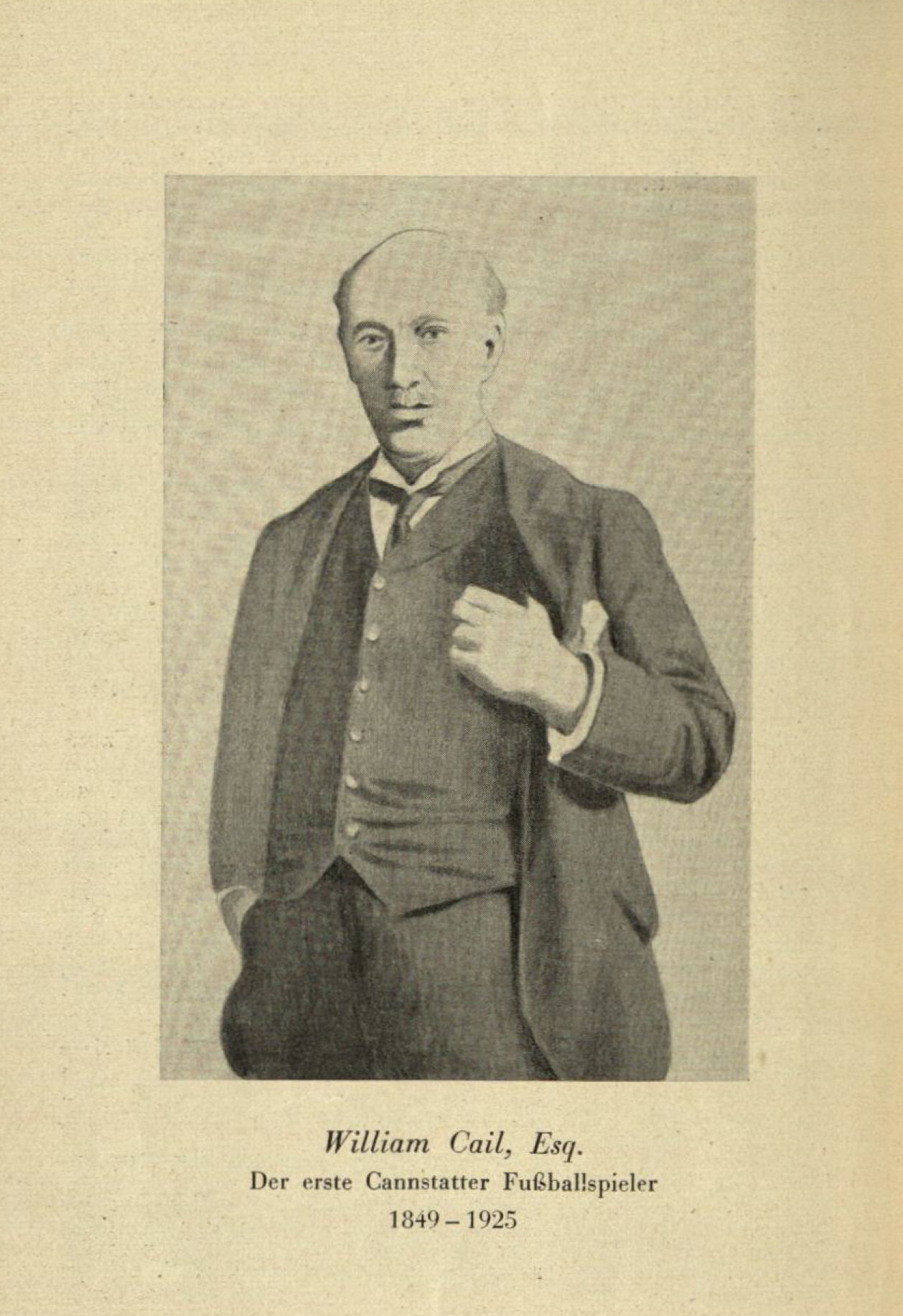
Two football pioneers from Great Britain and the USA got the ball rolling in Stuttgart. William Cail, the first football player from Cannstatt, is known to have chased an egg-shaped leather ball on the Cannstatter Wasen as early as 1865. Philipp Heineken, born in New York, was a founding member of the Cannstatter Fussballclub in 1890, from which the major Stuttgart football clubs emerged. His move to the newly founded FV Stuttgart 1893 was the decisive catalyst for the positive sporting development of VfB Stuttgart's older predecessor club.
II
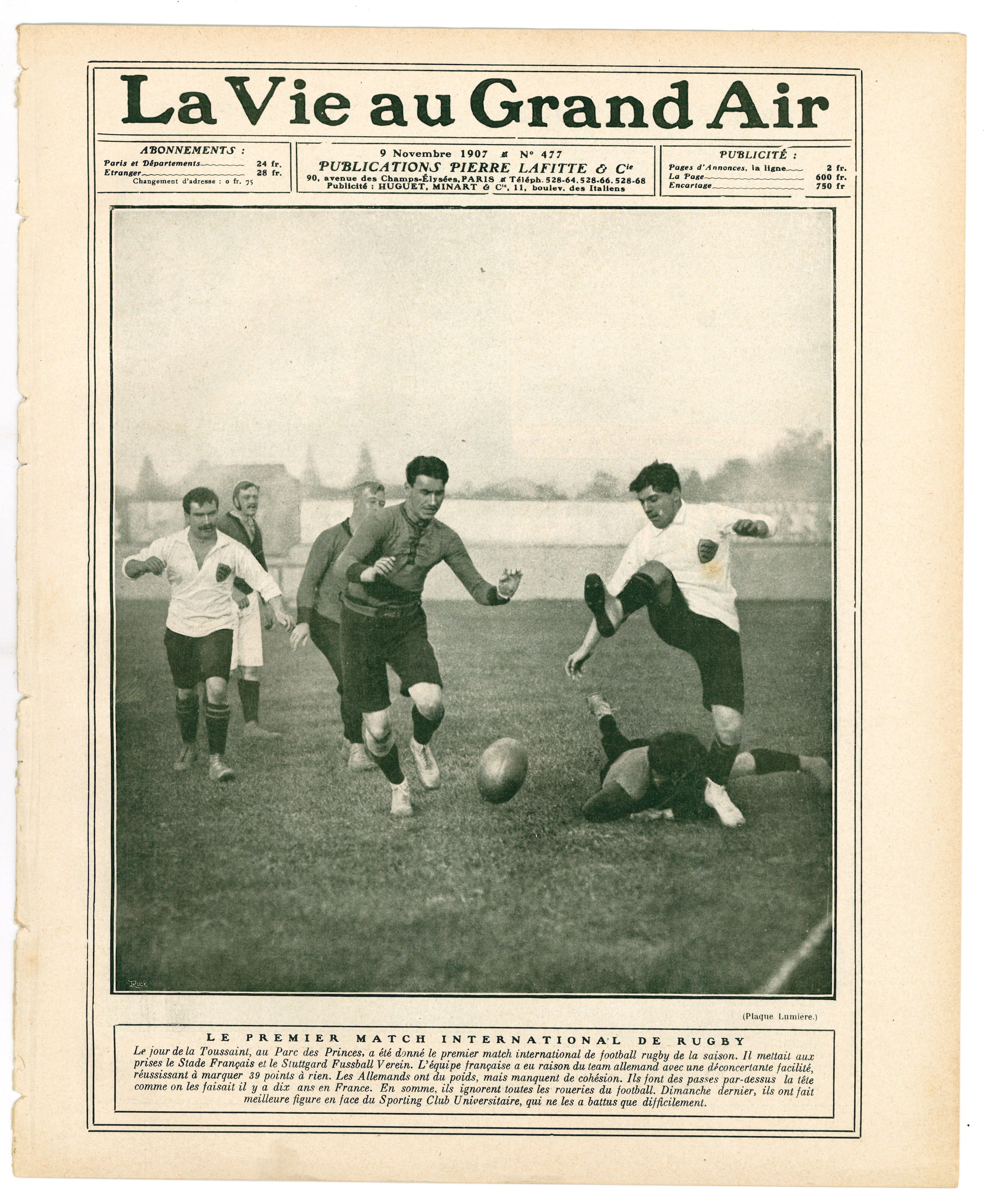
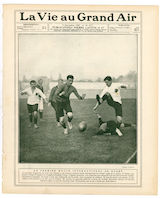
VfB Stuttgart’s first international statement was made by rugby player Hugo Betting, when he won the silver medal with the German national rugby team at the second modern Olympic Games in Paris in 1900. In 1907, Betting was part of the club team that played VfB’s first international football friendly match against Stade Français at the Parc des Princes in Paris. Two years later, Betting led VfB Stuttgart, then still known as FV Stuttgart 1893, to a runners-up place in the German rugby championship.
III
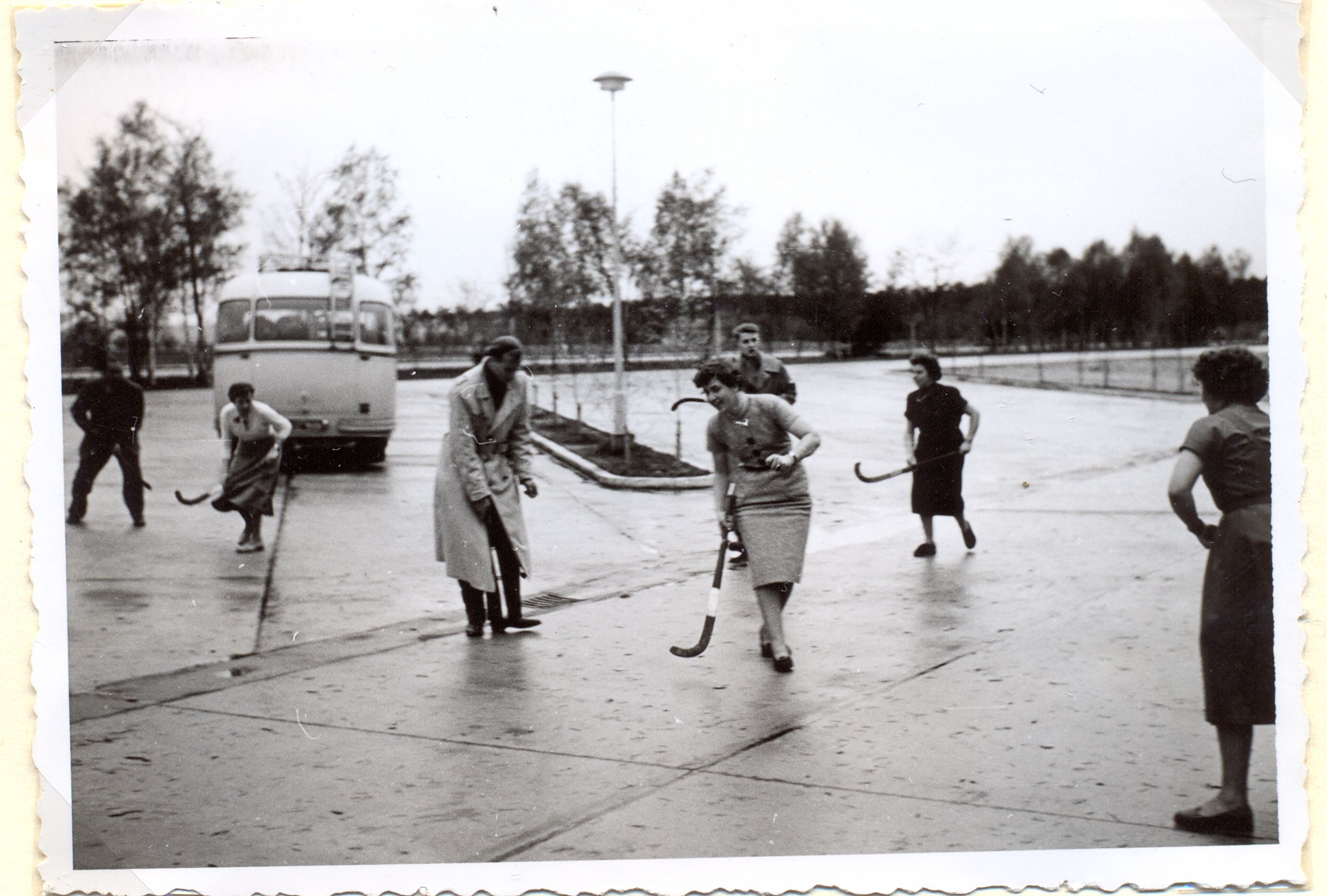
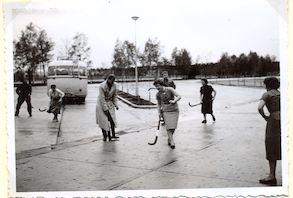
In the 1950s, VfB’s ladies’ hockey team in particular were keen travellers and actively promoted international understanding through sport. Several trips to the former Yugoslavia for international friendly matches allowed them to cross the Iron Curtain, which was very much a rarity at the time. In later years, they also made regular trips to Austria and Switzerland, as well as paying a friendly visit to Normandy in France.
IV
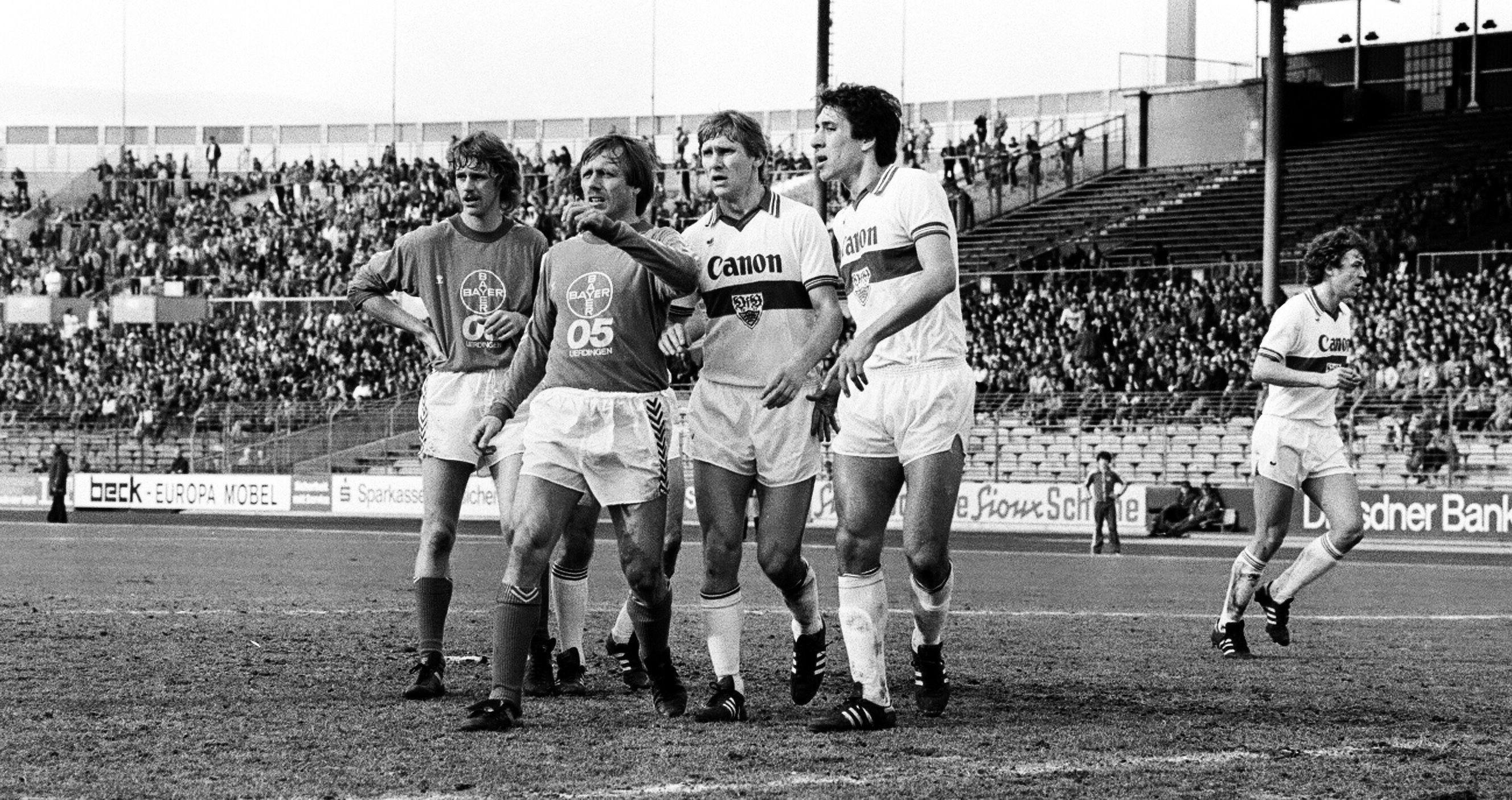
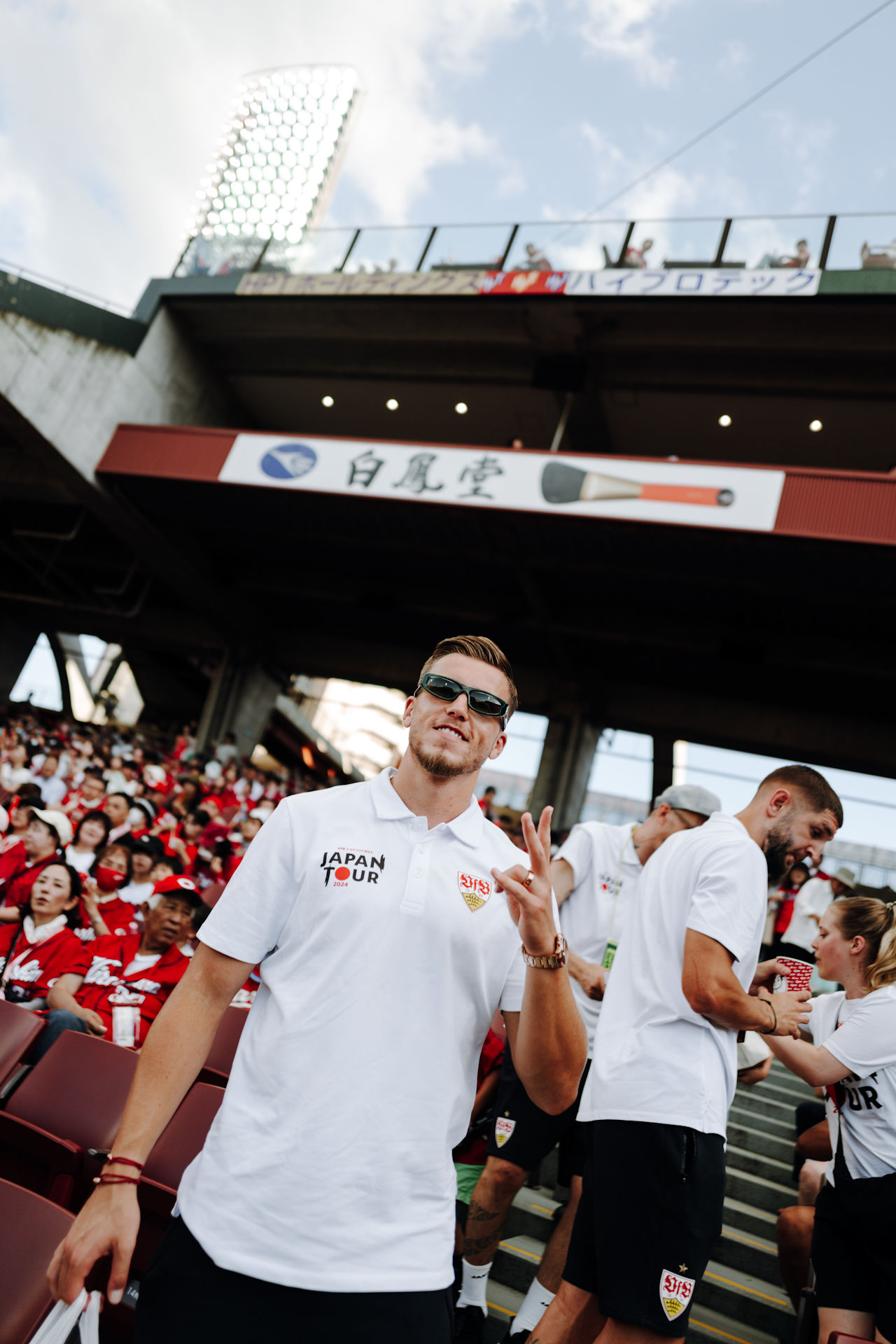
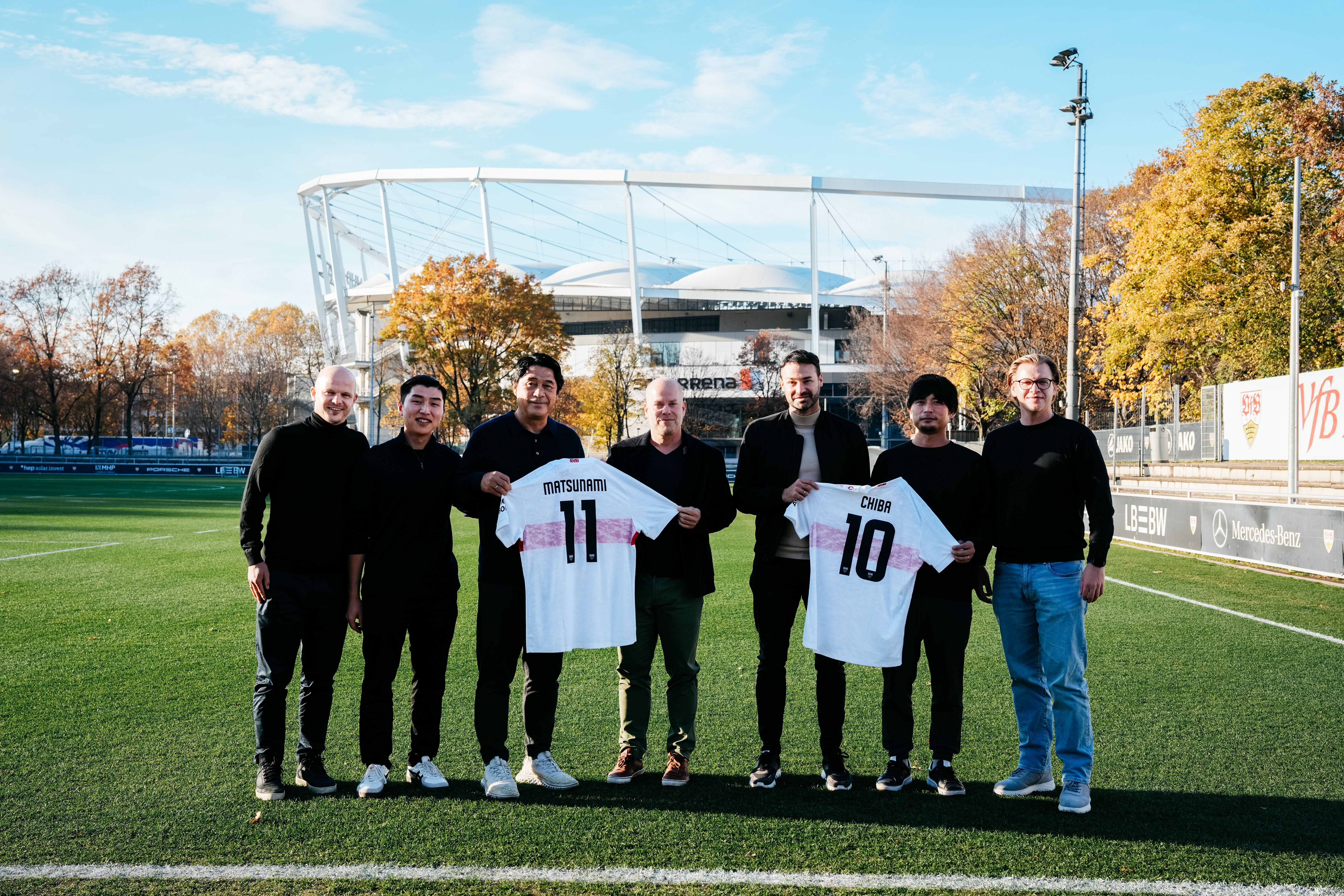
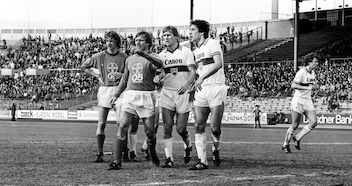
VfB has maintained particularly close ties with Japan for decades. From 1979 to 1982, Japanese company Canon was the club’s first international main and shirt sponsor. In 1996, the Cannstatt club travelled to Japan for the first time and played a match against Urawa Red Diamonds (5-0 win), which was agreed as part of Guido Buchwald’s transfer. In total, seven Japanese men’s players and two women’s players have worn the white and red shirt to date. VfB has a youth partnership with J1 League club V-Varen Nagasaki, which was agreed following the Japan tour in 2024. The VfB football school has also been active in the country for years.
V
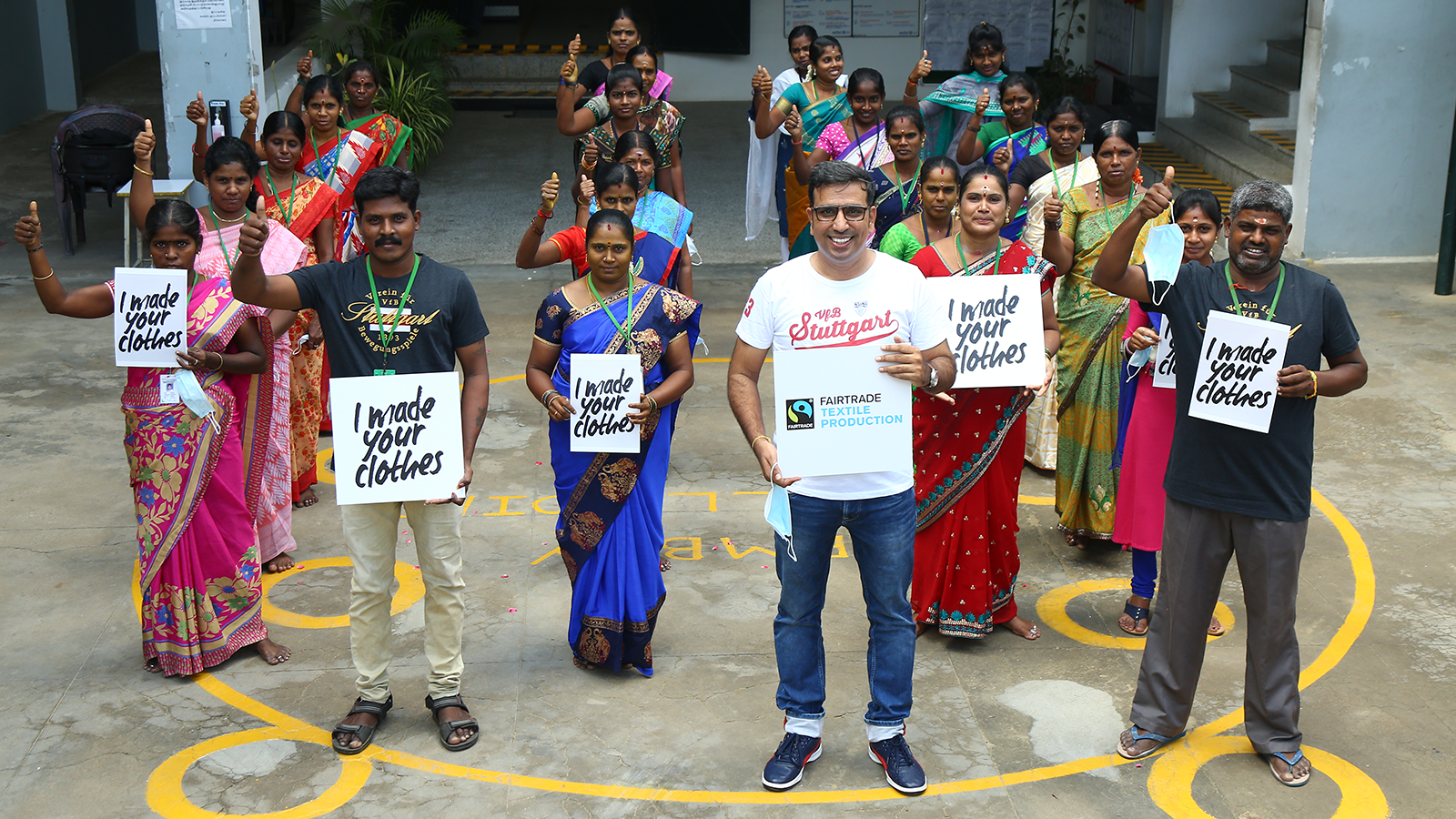
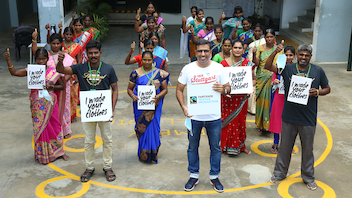
Since 2020, VfB Stuttgart has been involved in the “From Field to Fan Shop” project in India, which promotes holistic, sustainable cotton cultivation. The initiative by the German Federal Ministry for Economic Cooperation and Development (BMZ) is considered a showcase project. Its work to promote ecological and economical cotton production and textile processing also strengthens social issues. The promotion of women, the prevention of child labour, and sports programmes for over 1,000 children and young people per year are important elements of the project.
VI
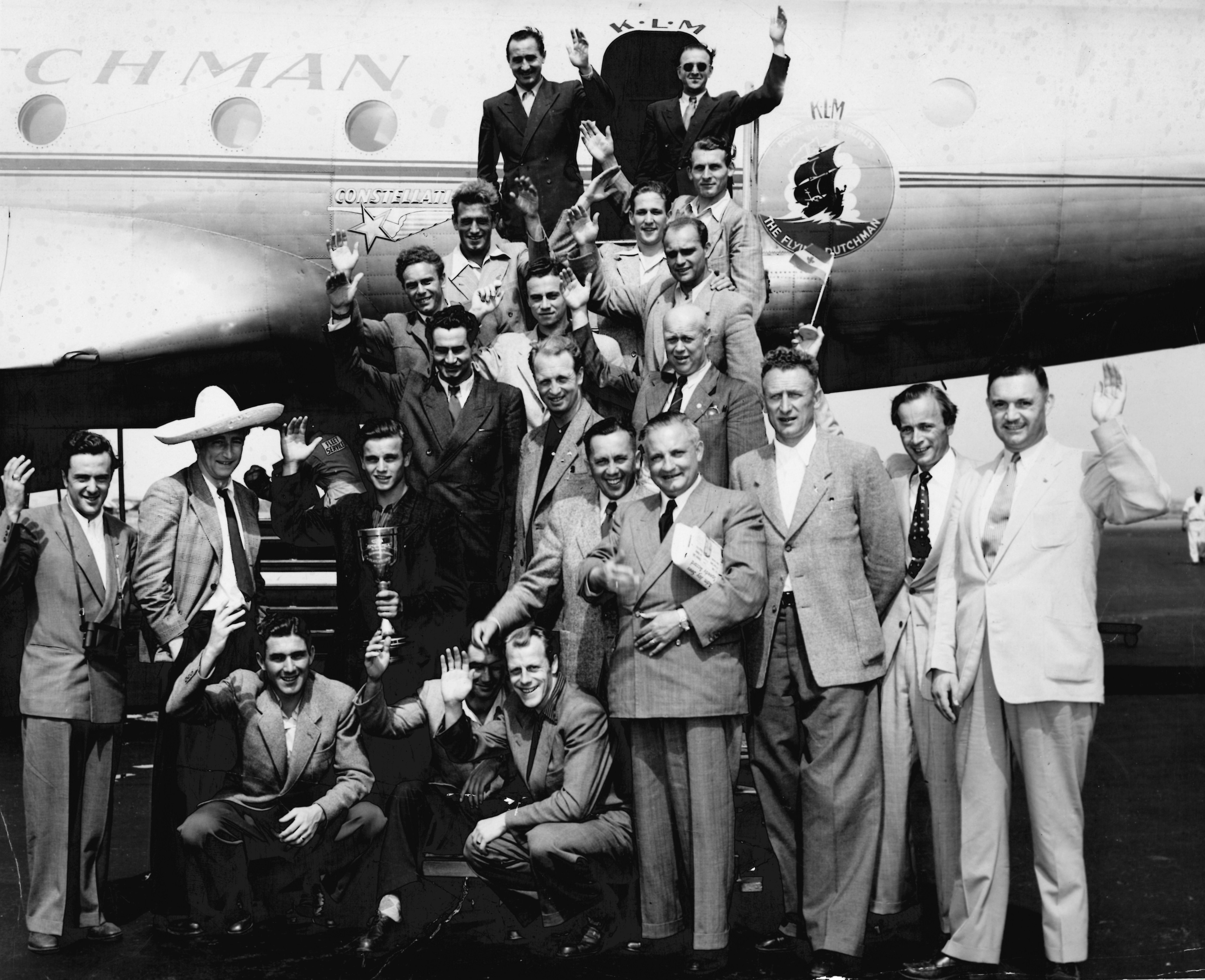
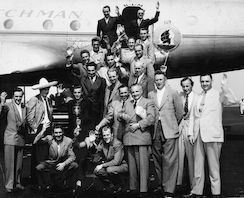
Viva Mexico: in the summer of 1951, VfB Stuttgart became the first German football team ever to travel to the land of the Aztecs at the invitation of the Mexican Soccer Federation. Around 3,000 football fans watched the Swabians’ first training session in Mexico City, which was followed by a 5-1 victory against the reigning champions and cup winners Atlas Fútbol Club from Guadalajara, three friendly defeats against CF Atlante, CF Guadalajara and Club Necaxa, plus a 4-0 victory against CD Oro at the end of the trip.
VII
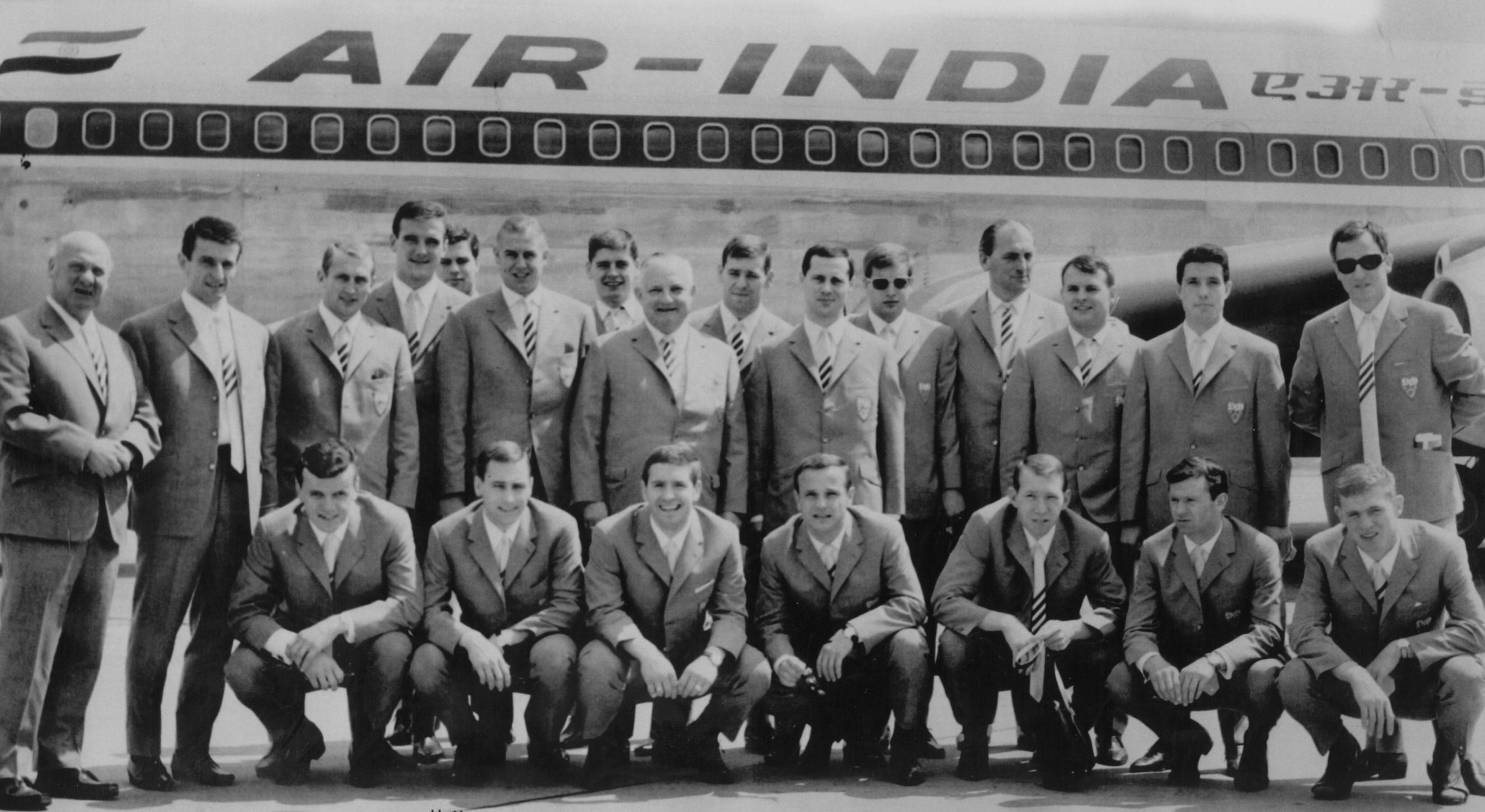
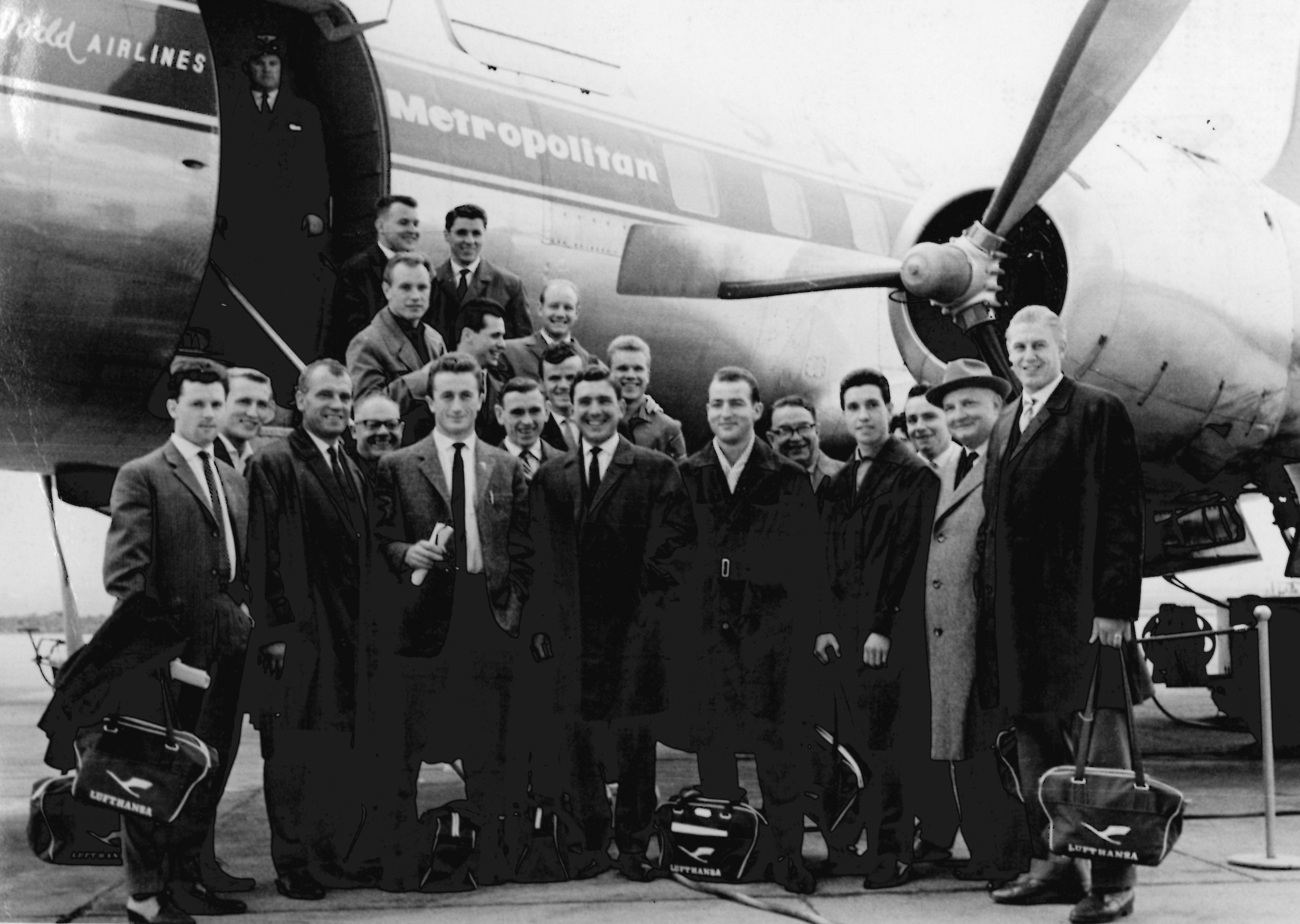
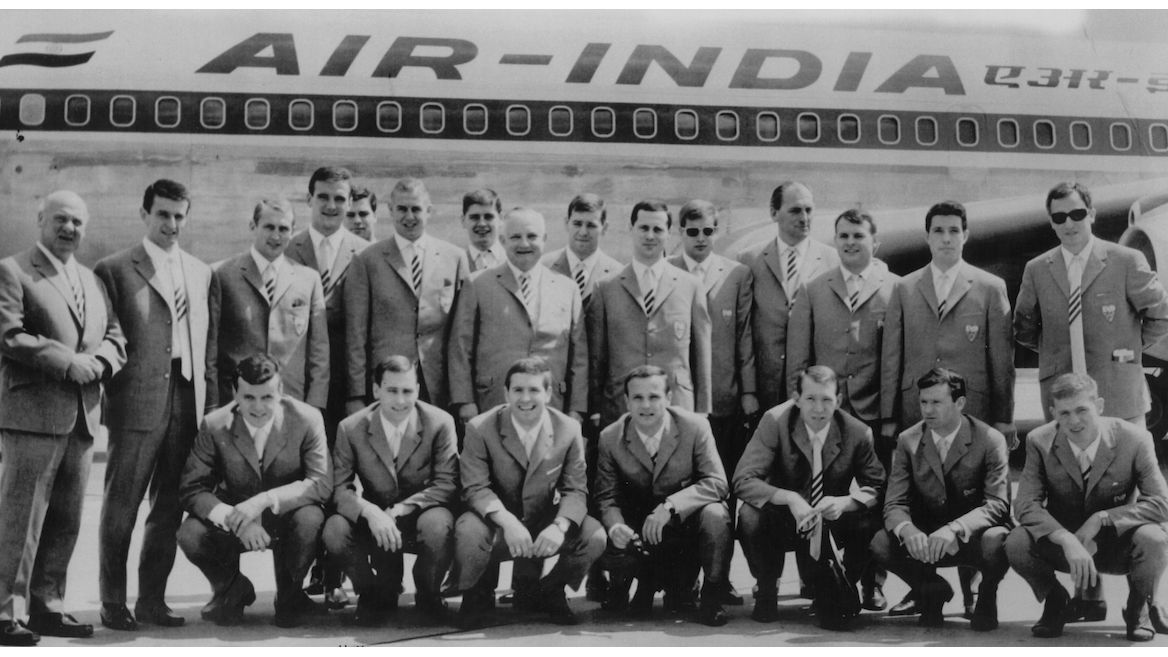
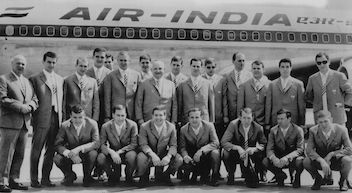
On 20 May 1965, VfB completed a world tour that remains unique to this day. Within 28 days, the team at that time travelled once around the entire globe and played ten friendly matches as well as embarking on an extensive series of visits. During the trip, they visited Vietnam, Hong Kong, Singapore, the Philippines, Australia, New Caledonia, French Polynesia, the USA and Great Britain. The group also made brief stops in Egypt, India and Thailand along the way.

VIII
Diverse, bold and successful: since the Bundesliga was founded, players from all over the world have enriched VfB Stuttgart. A total of 176 foreign players from 50 nations and five continents have worn the jersey with the red hoop in at least one Bundesliga match. The first of them was Vladimir Popovic from present-day Serbia in 1965. The latest in the long line is Spain-born Ecuador international Jeremy Arevalo, who made his debut in January as a substitute in the 4-1 win at Leverkusen.

IX
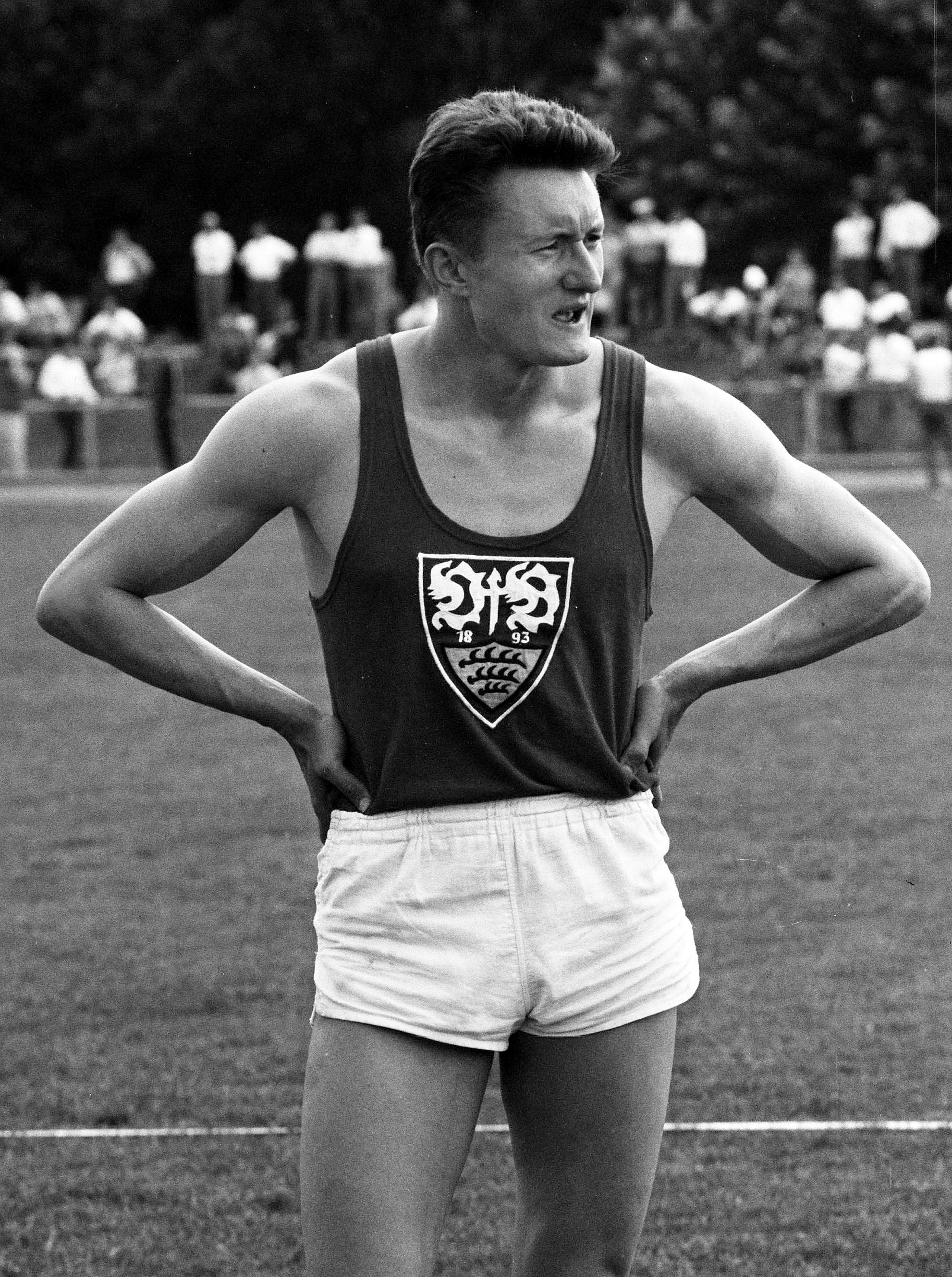
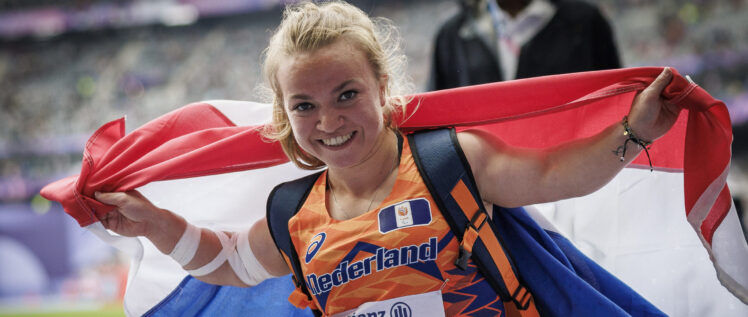
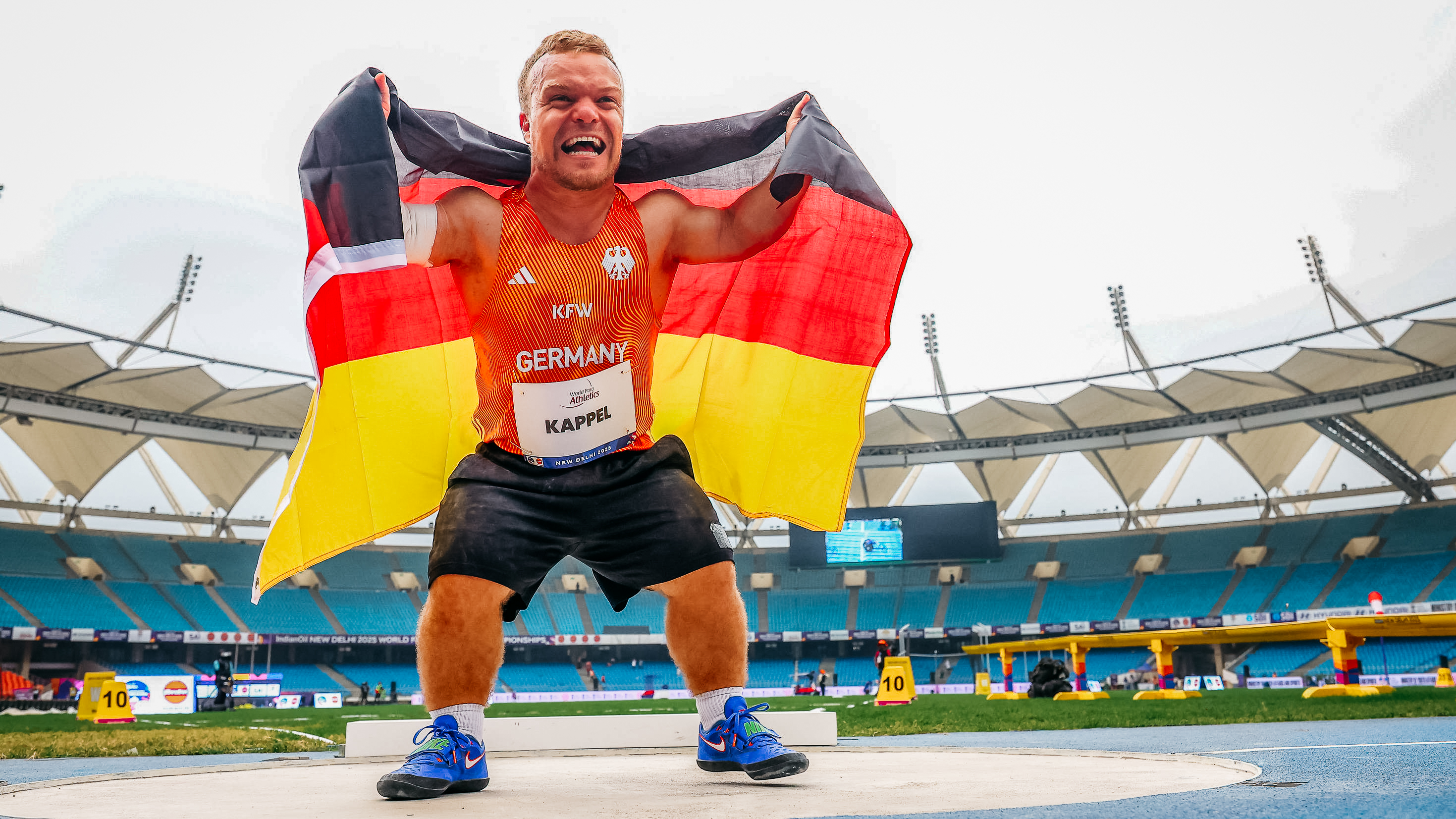
Be it World and European Championships, World University Games, Paralympics or Olympic Games, the male and female athletes affiliated with VfB cover zillions of kilometres every year for their competitions. Among the many successes, Helmar Müller’s Olympic bronze medal (4x400m relay) in 1968, shot-putter Niko Kappel’s silver (2024) and bronze (2020) medals in the Paralympics, the Paralympic gold for shot-putter Lara Baars in 2024 and the silver medal for decathlete Leo Neugebauer at the 2024 Olympics particularly stand out.

X
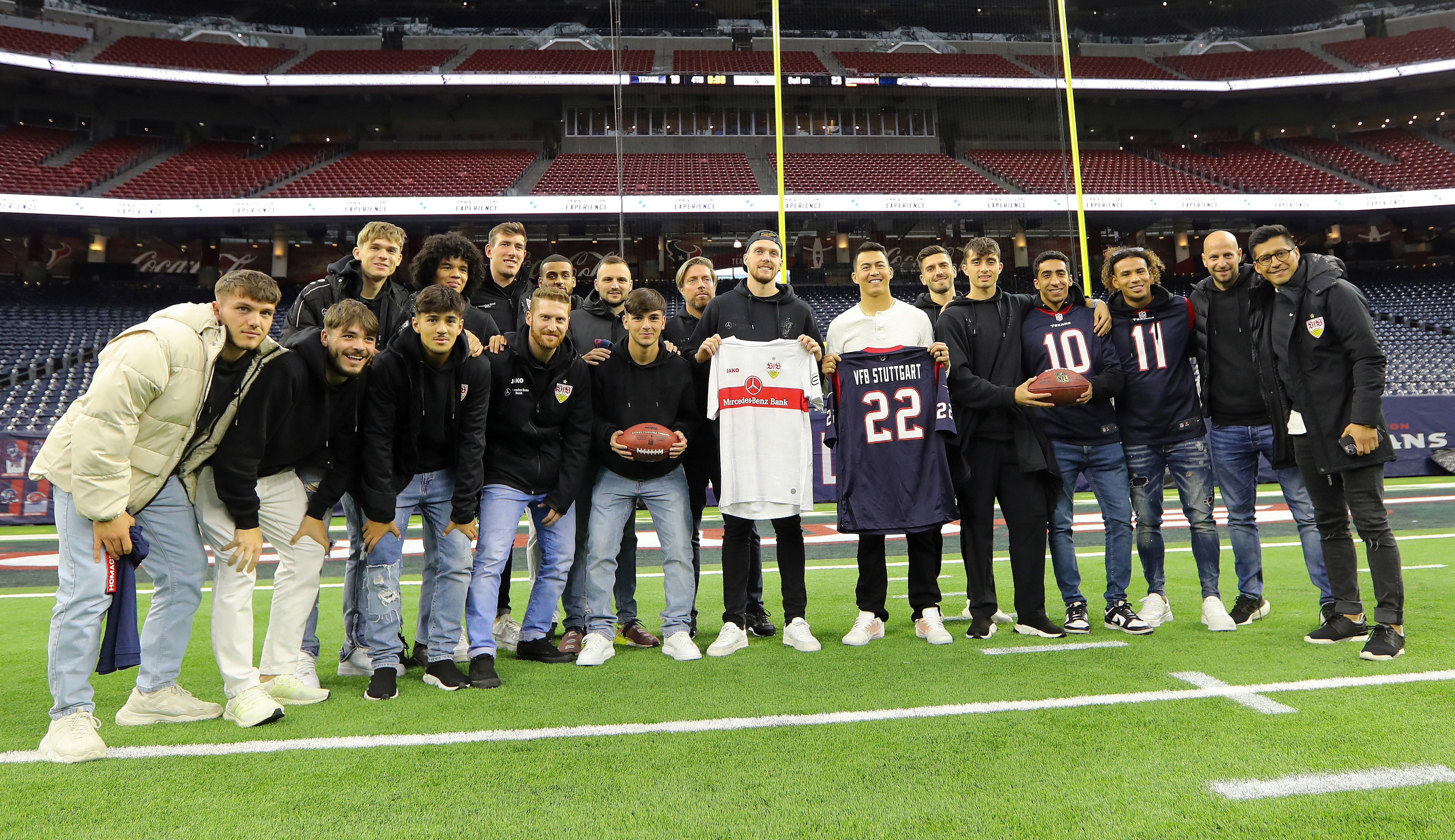
North America has always been a popular travel destination. In 1961, 1972, 1978 and 1984, VfB flew across the pond, got to know the country and the people in the USA, and played against local teams. The trips, each lasting several weeks, have taken the team to all the major cities on the East and West Coasts as well as the Midwest, including a detour to Canada. Most recently, VfB travelled to the USA in November 2022 and visited Austin, Texas, where they played a friendly match against 1. FC Köln, who were also on tour there, and took part in activities to strengthen the Bundesliga’s presence in the United States.
XI
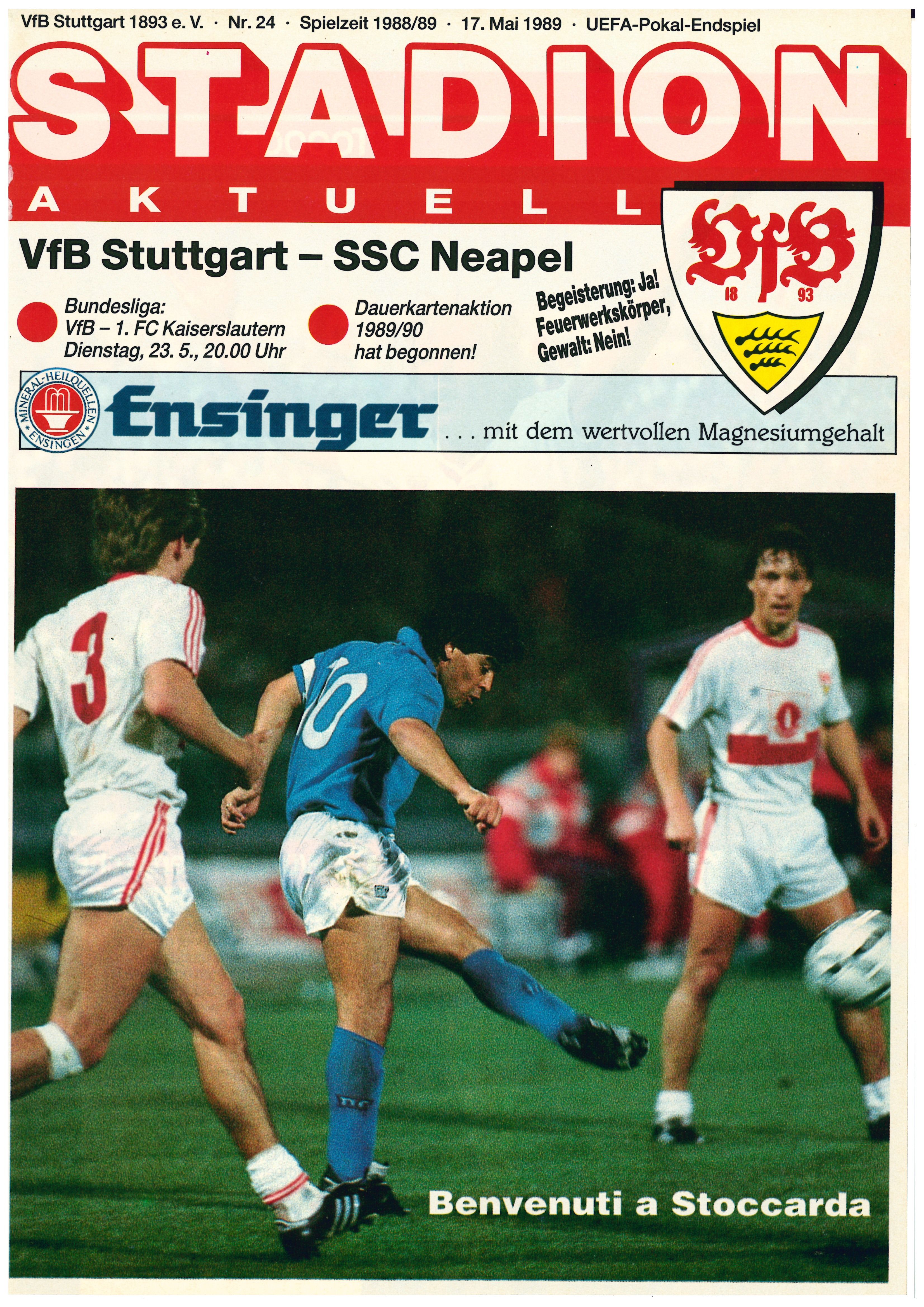
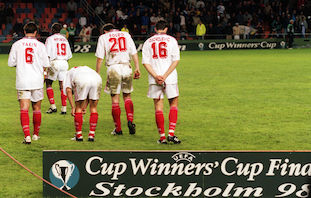
At home in Europe: the home game against Celtic FC on Thursday was VfB’s 224th fixture in European competition. Along with the UEFA Europa League and UEFA Champions League, Stuttgart took part in previous competitions before that, such as the unofficial Fairs Cup, the UEFA Cup (finalists in 1989), the European Cup, the European Cup Winners’ Cup (finalists in 1998) and the UEFA Intertoto Cup (winners in 2000, 2002 and 2008).